
What is a CPA network, and how does it work?
A CPA network connects advertisers who pay for results with publishers who deliver them. Here is how tracking, payouts and fraud checks work, from click to payment.
Read the article
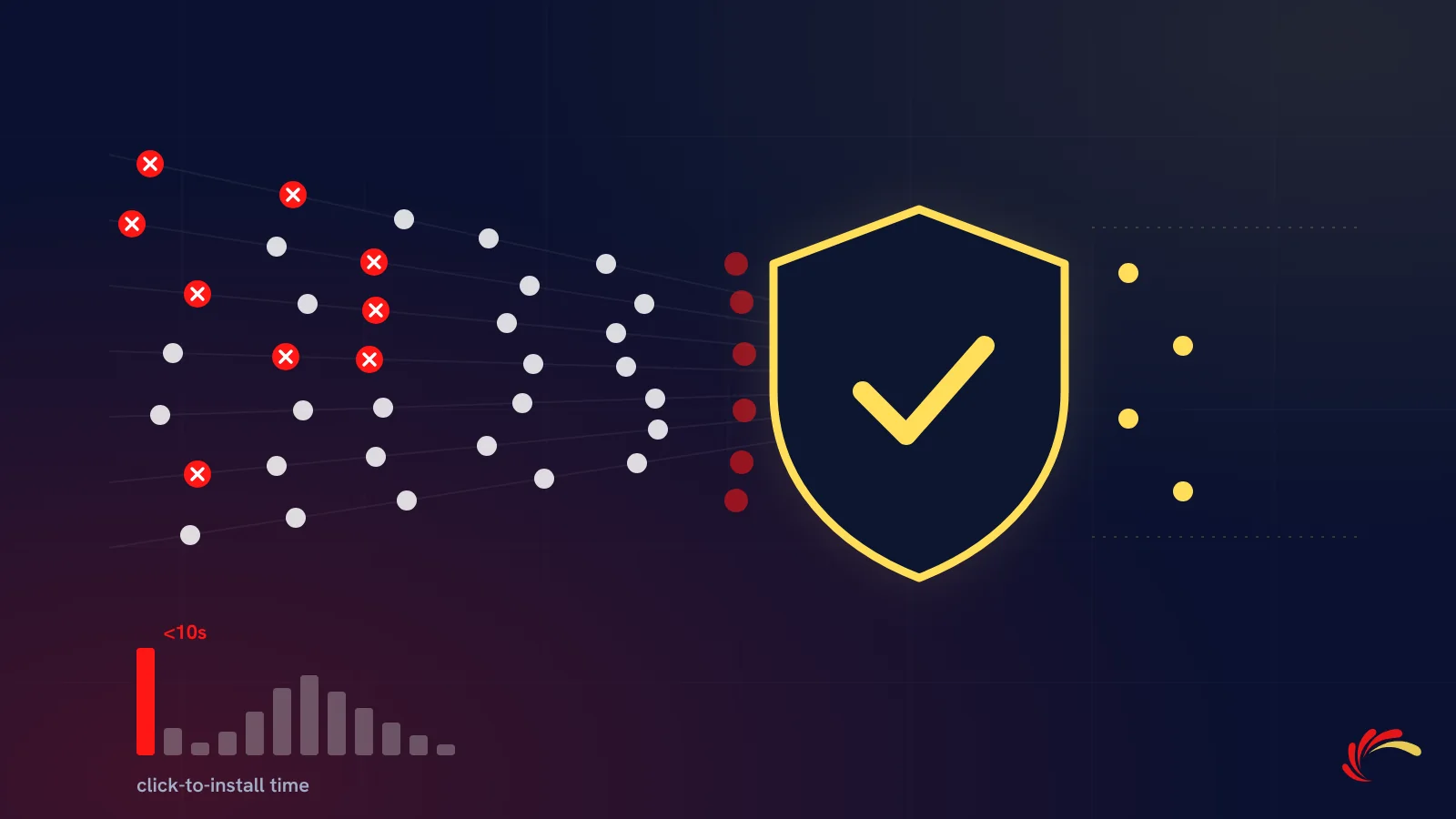
Install fraud rarely looks like fraud at first. It looks like a great source: cheap installs, big volume, steady growth. The giveaway is almost always in what happens just before and just after the install.
Advertisers usually see fraud weeks later, in retention or revenue reports. By then the installs are billed and the budget is gone. A network sees the traffic first, which makes it the right place to stop it.
Real users need time to land on the store, download and open the app. A cluster of installs with a click-to-install time of a few seconds often points to click injection, where a click is fired just as an install that was already happening completes, to steal the credit.
The opposite pattern: installs spread evenly over hours or days after the click, from sources sending huge click volumes with tiny conversion rates. That is typical of click spamming, where clicks are fired for users who never saw an ad, hoping to claim organic installs.
Bots and device farms can produce installs, but they rarely behave like people afterwards. Near-zero retention, no events, or events at perfectly regular intervals are strong signals.
Many installs from the same handful of device models and OS versions, from new or reset devices, or from data-center IP ranges, suggest emulators or farms rather than real audiences.
The IP says one country while the device language, time zone or carrier say another. Heavy VPN or proxy use on a geo-targeted offer is a common cause.
Purchases with no session before them, events on app versions that were never released, or sequences that skip required steps can indicate SDK spoofing, where installs and events are faked server-side.
A source that jumps from hundreds to thousands of installs overnight, especially on a non-incentivised offer, deserves a look. Hidden incentives often show up exactly this way, followed by weak engagement.
At Adperience Media, fraud detection flags and rejects suspicious activity before it reaches the advertiser's budget, and rejected conversions are never paid to publishers.
Set clear KPIs in your brief, such as minimum retention or event rates, and share your attribution partner's fraud reports with your network. The faster both sides see the same signals, the faster bad sources get cut.
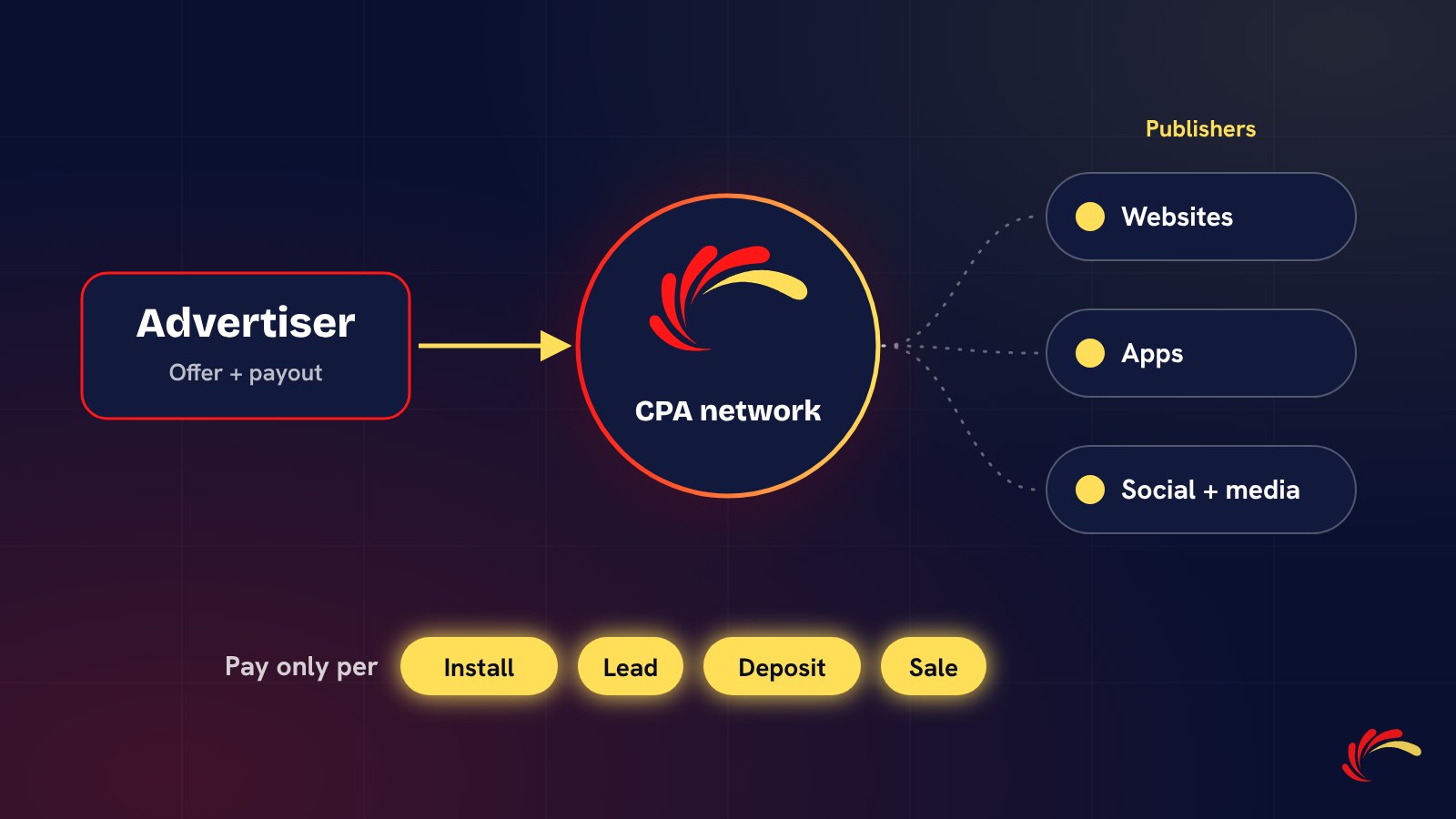
A CPA network connects advertisers who pay for results with publishers who deliver them. Here is how tracking, payouts and fraud checks work, from click to payment.
Read the article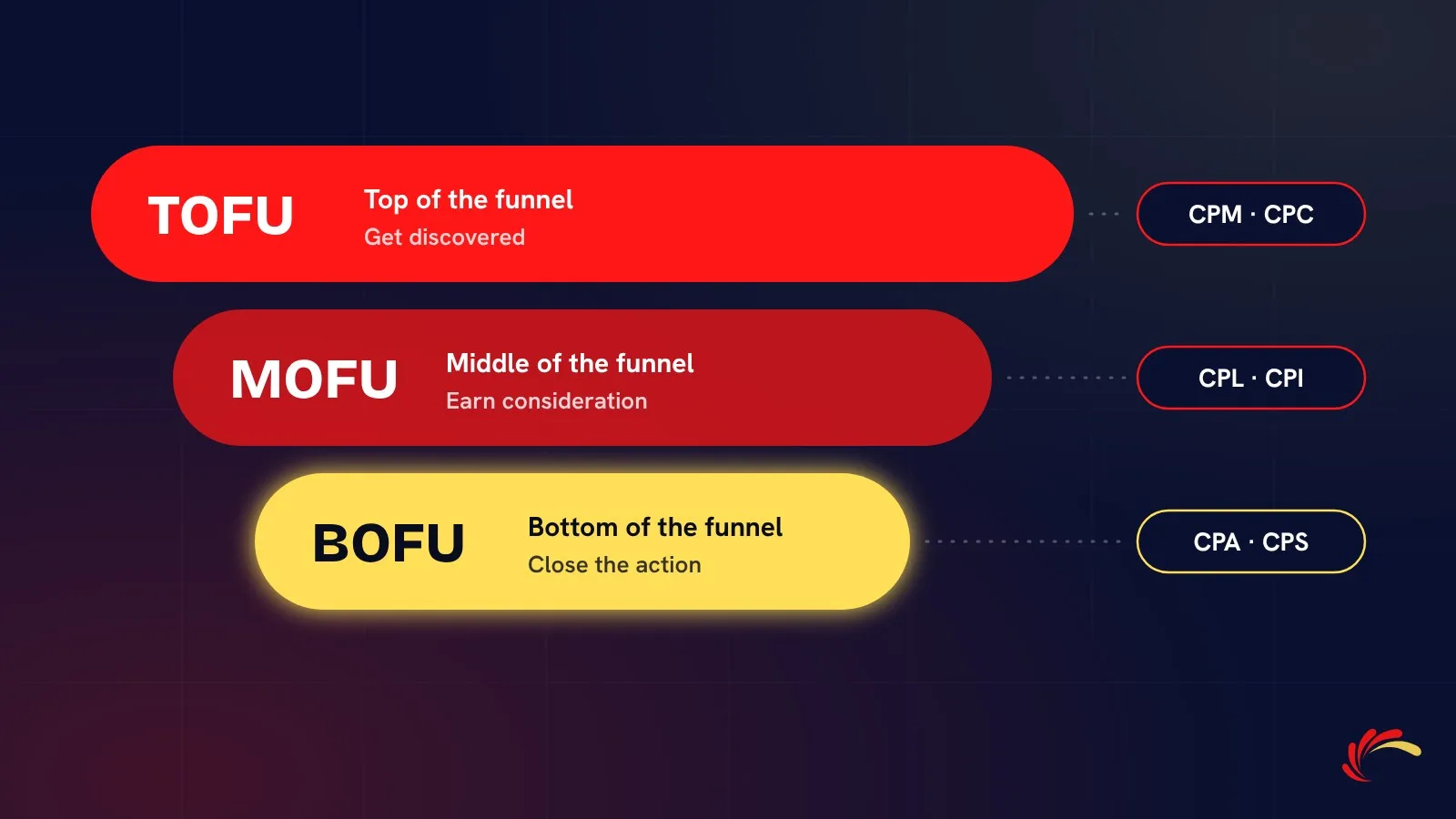
Top, middle and bottom of the funnel need different goals, channels and pricing models. Here is how to plan, measure and pay for each stage without wasting budget.
Read the article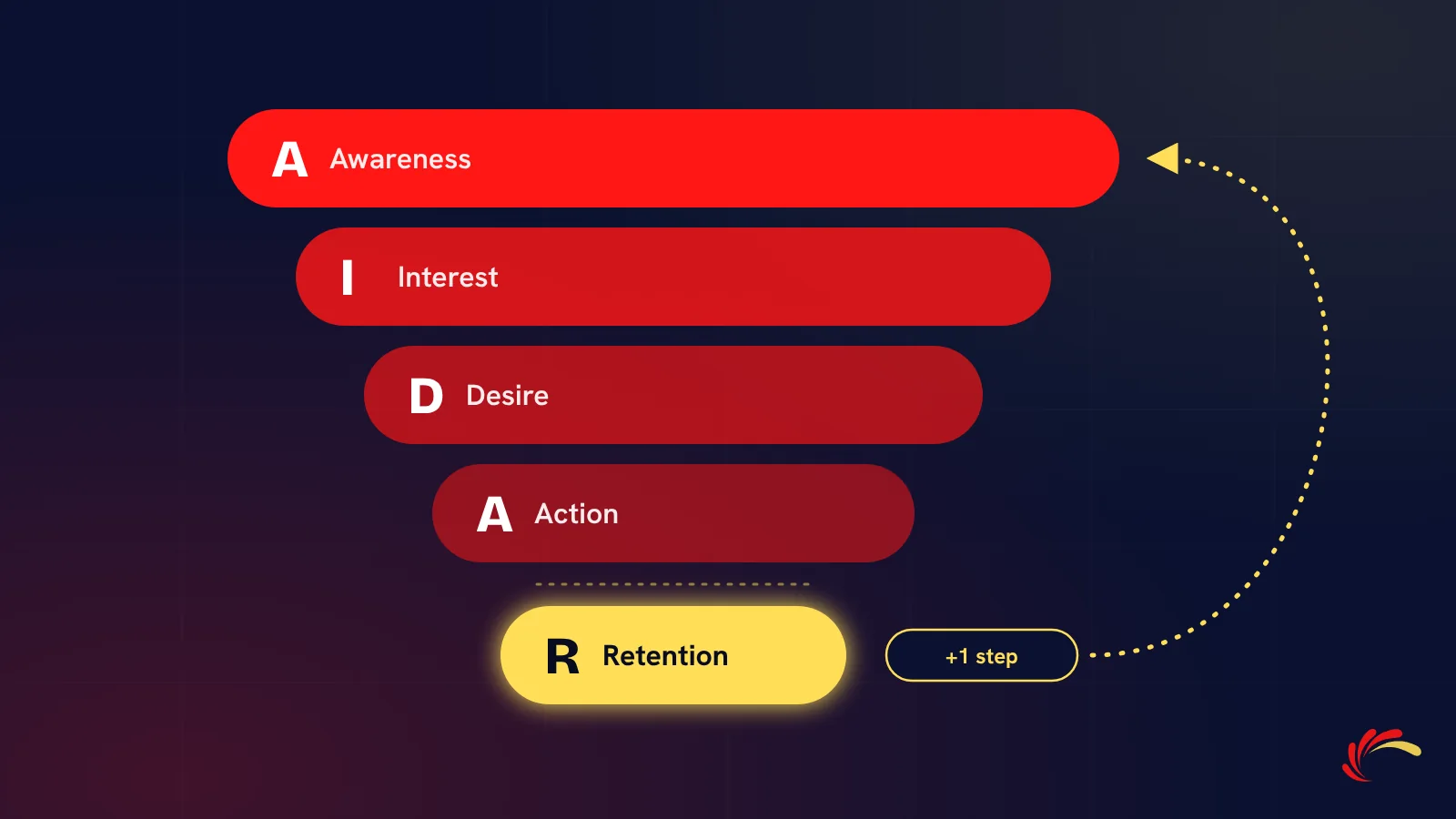
Awareness, Interest, Desire, Action. The oldest funnel in marketing still explains every app campaign you run. Here is how each step shows up in your dashboard, and why we added a fifth letter.
Read the articleSend your product, geos, target event and CPA, and we will reply with a proposal by email.