
What is a postback URL? Server-to-server tracking explained
A postback URL tells a network that a conversion happened, server to server. Here is how S2S tracking works, what the parts of a postback mean, and how to test one.
Read the article
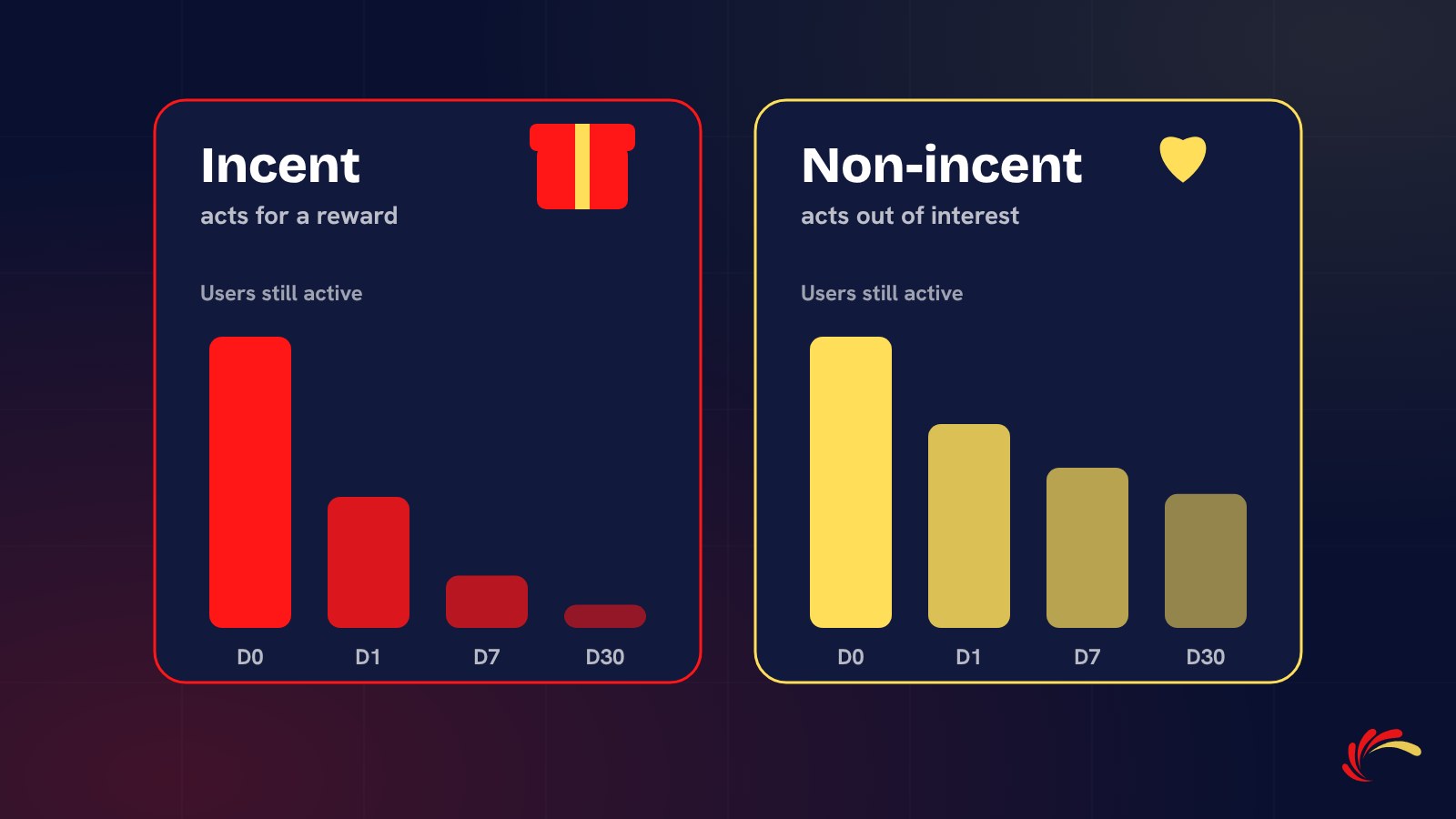
Two campaigns can deliver the same number of installs at very different prices, and with very different results a week later. Often the reason is one word in the traffic description: incent.
This guide explains the difference between incentivised and non-incentivised traffic, when each one makes sense, how they behave, and how to brief a network so you get the traffic you actually want.
Incentivised (incent) traffic comes from users who get a reward for completing an action: coins in a game, points, cashback, mobile recharge or gift vouchers. They usually find the offer on an offerwall or a rewards app that lists tasks such as "install this app and open it" or "register and complete KYC".
The user's main reason to act is the reward, not interest in your product.
Non-incentivised (non-incent) traffic comes from users who act because they are interested. They saw an ad, a review, a comparison article, a social post or a search result, and chose to try the product. Nobody paid them to do it.
Incent traffic is not bad traffic. It is a different tool, and it works well when the goal matches what it does best:
Both app stores have rules about rewarding users for installs, ratings and reviews. Check the current Google Play and App Store policies before you buy incent installs, and never reward ratings or reviews.
The biggest risk is not incent traffic itself. It is incent traffic that is not labelled. If incentivised users are mixed into a non-incent campaign, retention drops, cost per real user rises, and nobody can tell which source caused it. In the worst cases, sources pass off rewarded users as organic interest to earn a higher payout.
Signs that incent traffic is leaking into a non-incent campaign include very short time from install to the paid event followed by no further activity, sudden volume spikes from one source, and day-1 retention far below your other sources. Our article on the signs of install fraud covers more patterns to watch.
For app campaigns specifically, our guide to app install campaigns in India explains how to set KPIs and measure quality after the install.
At Adperience Media every campaign states its allowed traffic types up front, incent and non-incent run as separate offers, and conversions are checked for fraud before billing. Send us your product, target event and CPA and tell us which traffic types you want; we will reply with a proposal by email.
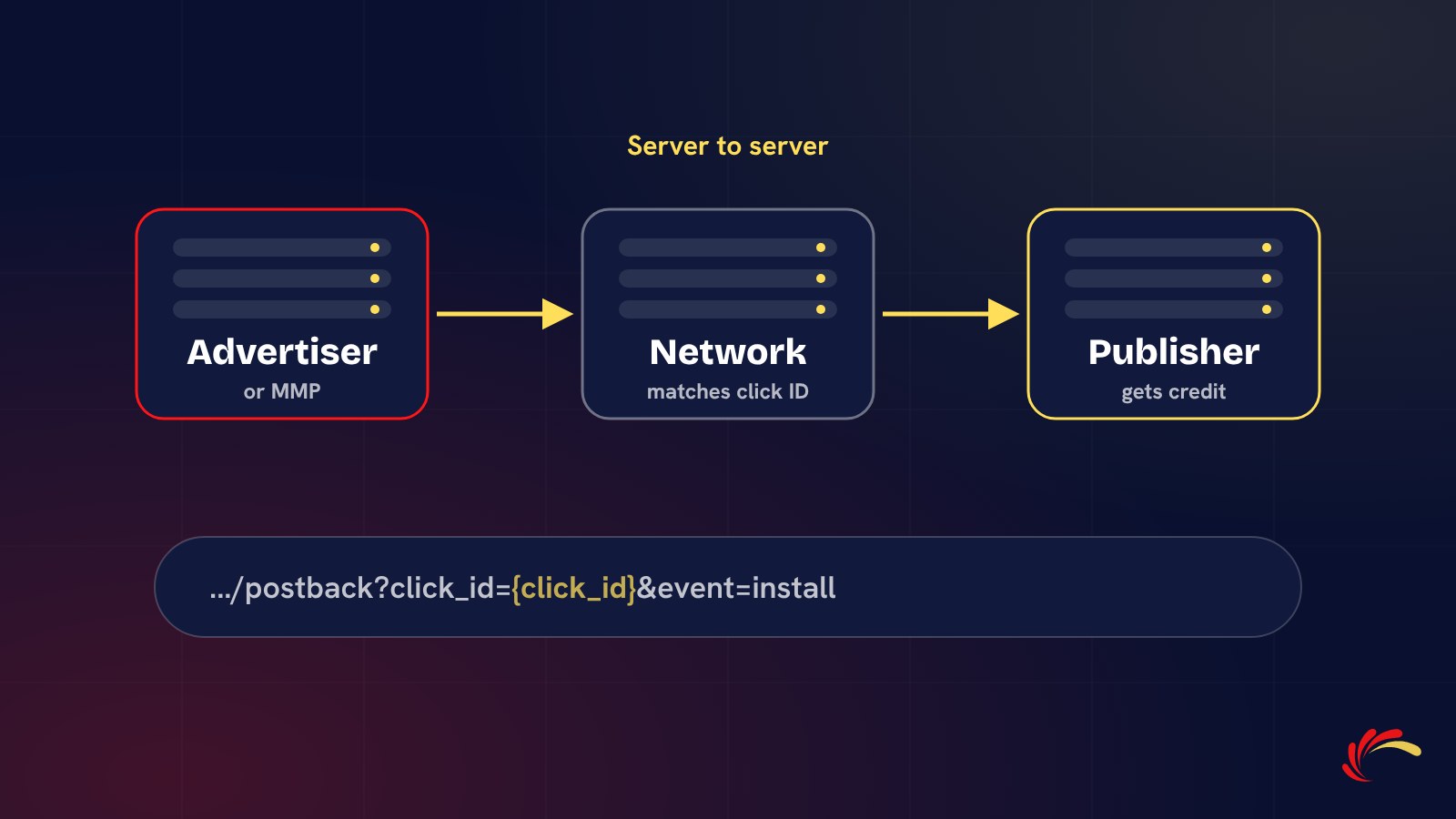
A postback URL tells a network that a conversion happened, server to server. Here is how S2S tracking works, what the parts of a postback mean, and how to test one.
Read the article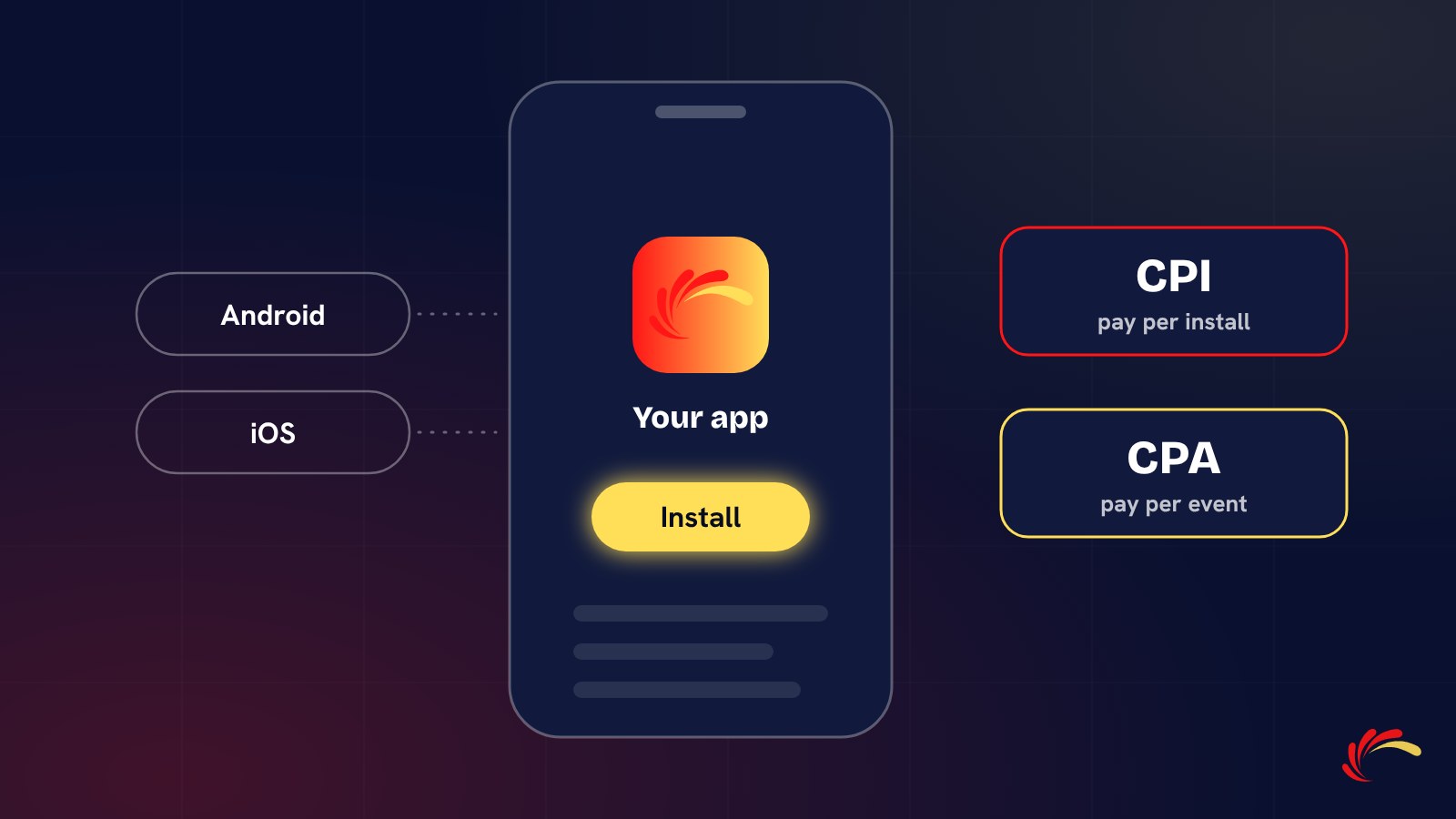
How app install campaigns work in India, what drives the cost of an install, when to pay on CPI or CPA, and how to set up a campaign that brings users who stay.
Read the article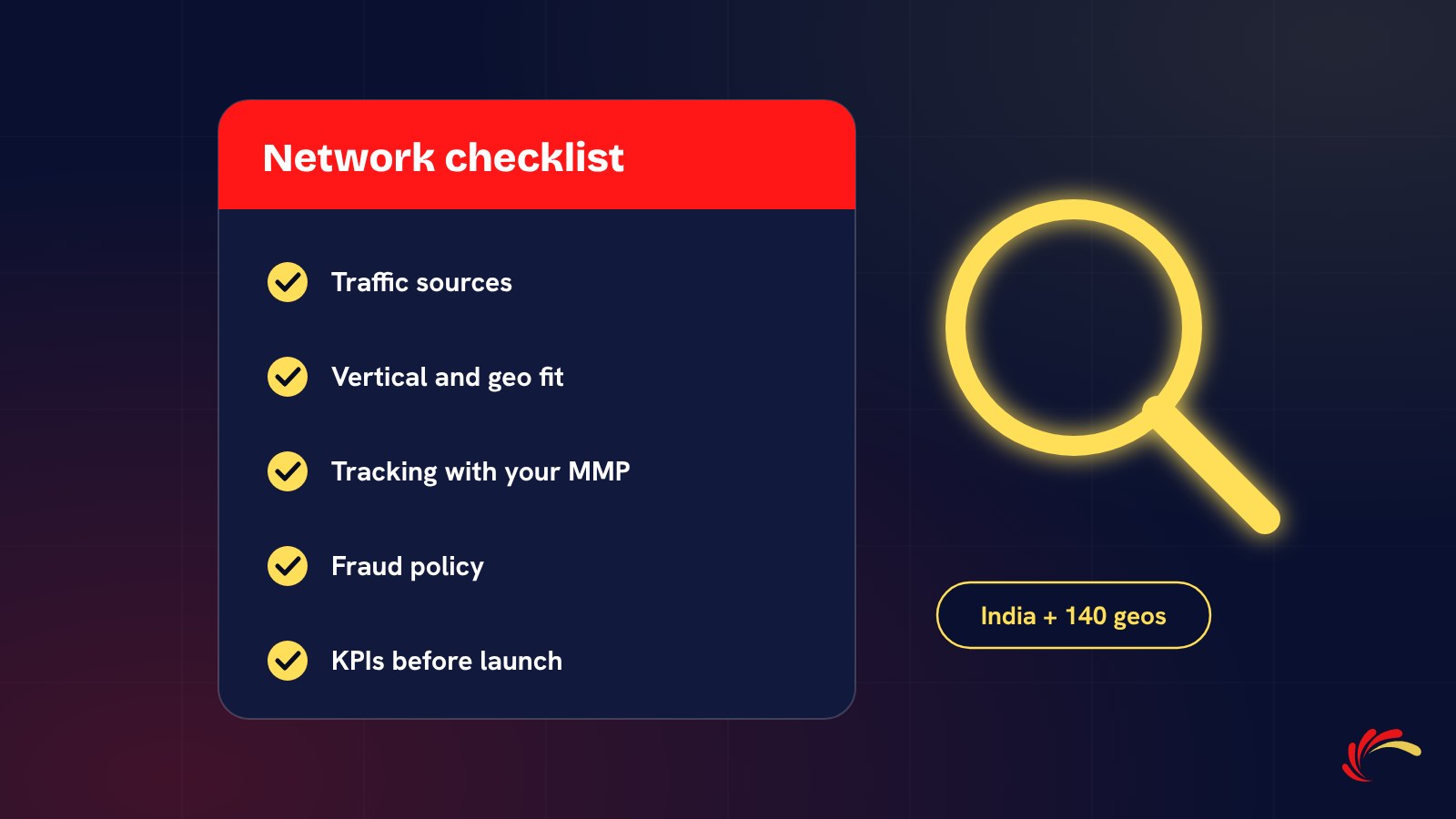
Traffic sources, vertical fit, tracking, fraud policy and KPIs: what to check before you choose a performance or affiliate network in India, and the red flags to avoid.
Read the articleSend your product, geos, target event and CPA, and we will reply with a proposal by email.